

Everything You Need to Know About Exercising During Pregnancy
When you’re pregnant, it can be tempting to be less physically active. After all, growing a baby is tiring and comes with numerous aches and pains. And there are few other times in life when people pamper you as much as when you’re expecting! But pregnancy exercise is important in regulating your weight gain and preparing your body for labor. Before you put on your yoga pants and head to the gym, understand that pregnancy limits the physical activities you can participate in. Be aware of these guidelines for working out while pregnant to ensure you and your baby stay healthy and safe.
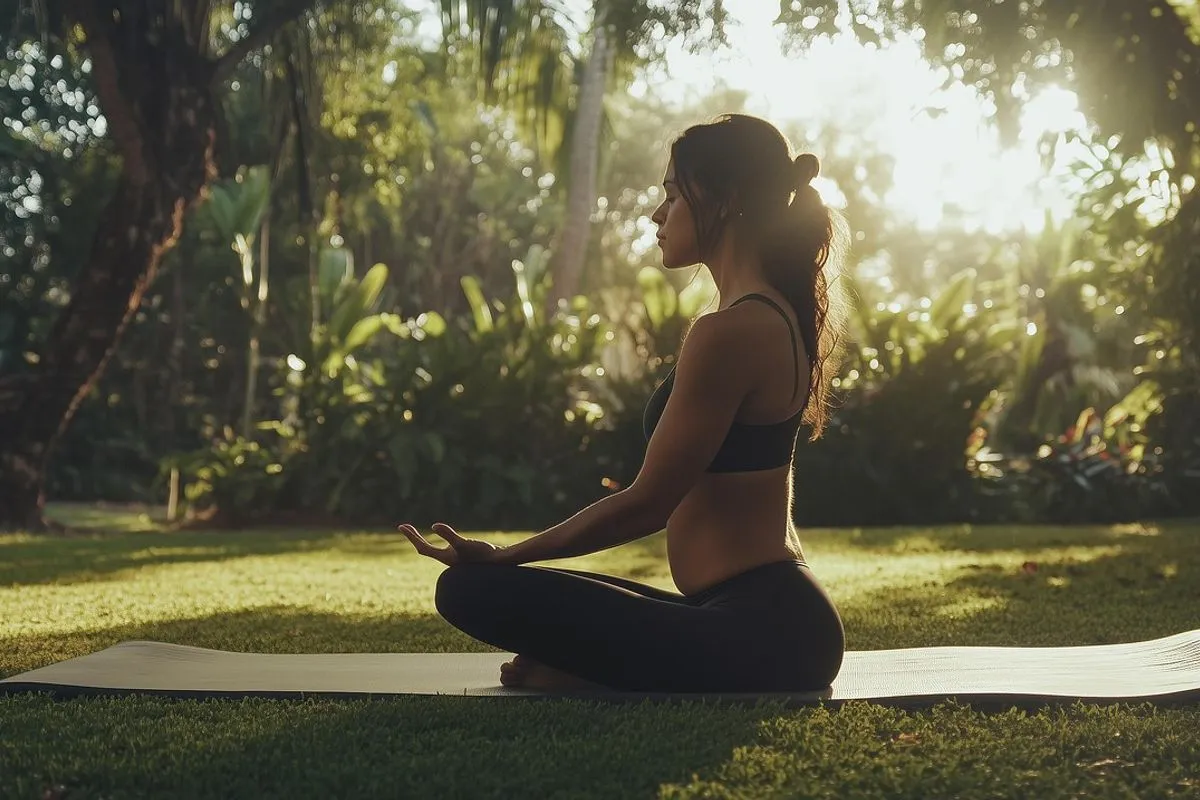
Pregnant women are doing exercise and yoga.
The Benefits of Working Out When You’re Expecting
Maybe having to worry about what you can and can’t do deters you from wanting to work out. Don’t let that stop you from reaping the many benefits of exercising while pregnant, including:
- Less weight gain
- Improved sleep
- Increased energy
- Faster labor
- Lower risk of medical interventions
- Quicker postpartum recovery
Moderate exercise can even lessen nausea. You also experience emotional benefits, such as decreased depression and higher self-confidence. Your baby will also develop healthily and have lower chances of preterm delivery or low birth weight. You have nothing to lose, except pounds!
Safety Rules for Exercising While Pregnant
Before you begin a workout program, talk to your healthcare provider first to determine any precautions you need to take under your circumstances. Wear a supportive bra and the proper clothing for the activity. You may need to buy new shoes if your feet have grown or swollen.
Choose a time and location that is not high in heat or humidity to do your pregnancy exercise. This means you shouldn’t do hot yoga either, because you become overheated much faster during pregnancy. While you exercise, remember to stay hydrated. Not drinking enough water can cause nausea, overheating, or contractions.
Warm up before beginning and try to stay in motion to prevent restricted blood flow, lowered blood pressure, and dizziness. Don’t overdo it, though. Get up and down slowly to keep your balance. Take breaks between exercises, and rest after your workout. End your routine with a cool-down walk and stretches. Remember to eat enough healthy calories to give you energy and prevent too much weight loss.
Activities You Should Avoid
Not everything is safe to do while carrying a baby. You should avoid the following as they increase the risk of injury, especially from falls.
- Contact sports: Basketball, hockey, kickboxing, martial arts, rugby, soccer
- Racket sports: Racquetball, squash, tennis (unless you’re already very skilled)
- High-risk activities: Downhill skiing, gymnastics, horseback riding, mountain biking
- Certain water activities: Scuba diving, surfing, hot tubbing, water skiing
The pressure change from scuba diving can harm the baby’s development, and high-intensity sports demand coordination, quickness, and balance you may no longer have. Exercising in altitudes higher than 6,000 feet is also unsafe. In addition, do not lie on your back while exercising, as this applies pressure to a major vein and reduces blood flow. Continuously lying on your back may also cause your baby to move into an undesirable position for labor.
The Best Exercises for Pregnant Moms
You may be wondering what you can do with a baby in your belly. The good news is that there are still plenty of options for pregnancy exercise so you can enjoy its benefits.
Swimming
Water aerobics is the best choice for expectant moms. It is very low impact and carries a low risk of injury. It’s suitable no matter what your level of health is. Swimming also works out your entire body at once and improves your stamina.

Beautiful pregnant woman happy smiling in swimming pool
Walking/Running
Walking is another great choice for everyone. It’s perfect for those just beginning to be active and those who are experienced exercisers wanting to do something less strenuous. Running is a good option only if you’re already an avid runner. Whether you walk or run, stay on smooth, flat paths or use a treadmill.
Yoga
Yoga is excellent for helping you focus, relax, breathe, get in tune with your body, and increase strength and flexibility. Just remember to avoid positions that require you to lie on your back, do a backbend, twist your abdomen, or put your feet above your head (such as a headstand).
Pilates
This type of exercise strengthens your core muscles, which are vital in labor. It also helps with back pain and flexibility. Be sure to tell your instructor you’re expecting so the person can modify the exercises if needed.
Light Weightlifting
Lifting low weights is good for increasing your strength. Skip movements where you lie on your back, hold a weight over your stomach, or stand in one position for too long. Weightlift with a friend or trainer for the most safety.
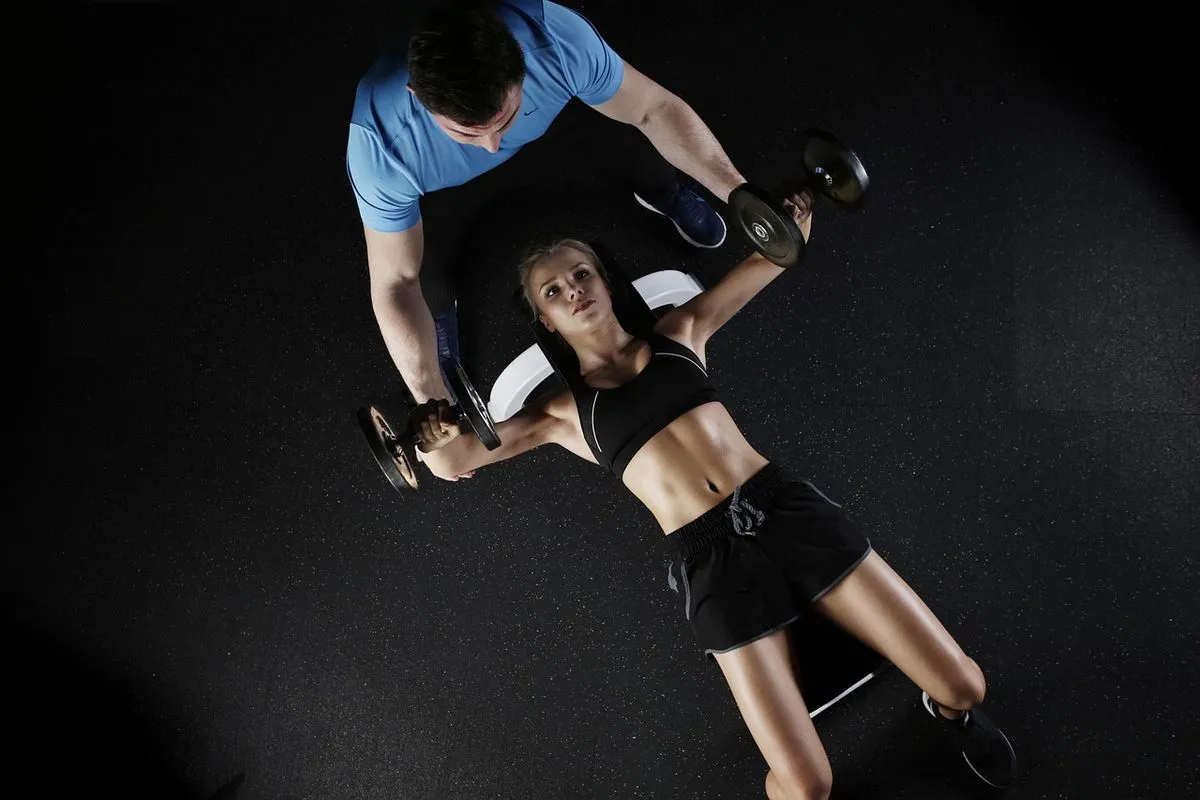
Sporty pregnant woman exercising with dumbbells
Machines
Biking on the road comes with the risk of falling or getting in an accident. Go with a stationary bike instead, or join a spin class. Other machines you can use are the elliptical or stair stepper. Always hold on to the handlebars of any machine.
Kegels
Kegel exercises strengthen your pelvic floor. They help with pregnancy incontinence, labor, postpartum recovery, and sexual intercourse. You can do them anytime, anywhere.
Meditation
Just as important as your physical health are your mental and emotional health. Pregnancy affects your mind and heart as well, so you need to prepare those, too. Meditation can help calm your fears, manage pain, reduce stress and anxiety, improve your sleep, and boost happiness.
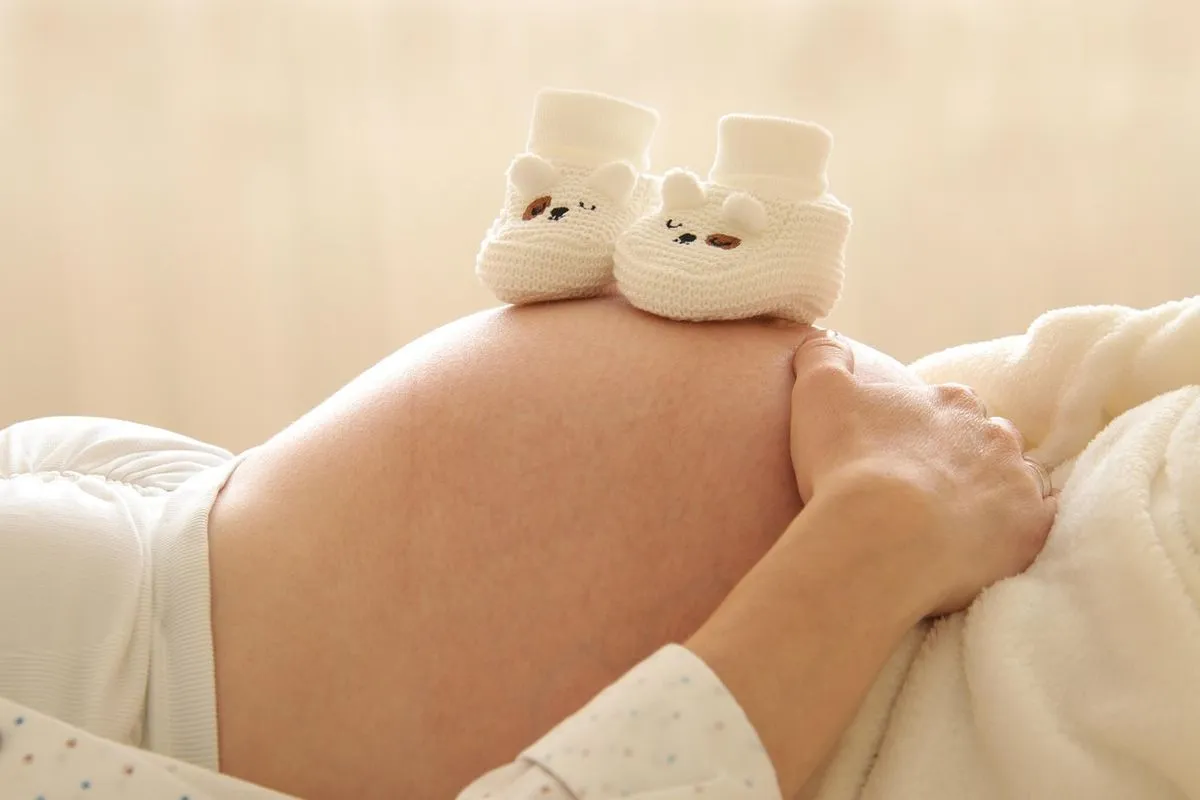
Pregnant woman meditating on the beach
Signs That You Should Immediately Stop Your Workout
Even if you are healthy, have received medical permission for pregnancy exercise, and are only engaging in safe activities, you should still watch out for the following warning signs:
- Dizziness and/or nausea
- Difficulty breathing
- Heart palpitations
- Swelling in your lower extremities
- Pain in your chest, abdomen, or legs
- Blurred vision
- Vaginal bleeding
- Ruptured membranes (your water breaking)
If you experience any of these symptoms, immediately stop your workout and call your provider to know what to do and determine the severity of the situation.
Get Moving!
Find a couple exercise routines that you enjoy, and get your family and friends involved to maintain your motivation. For more tips on having a healthy pregnancy and baby, follow KAMO on (kamofamily), (@kamo_family), or (@kamofamily).