
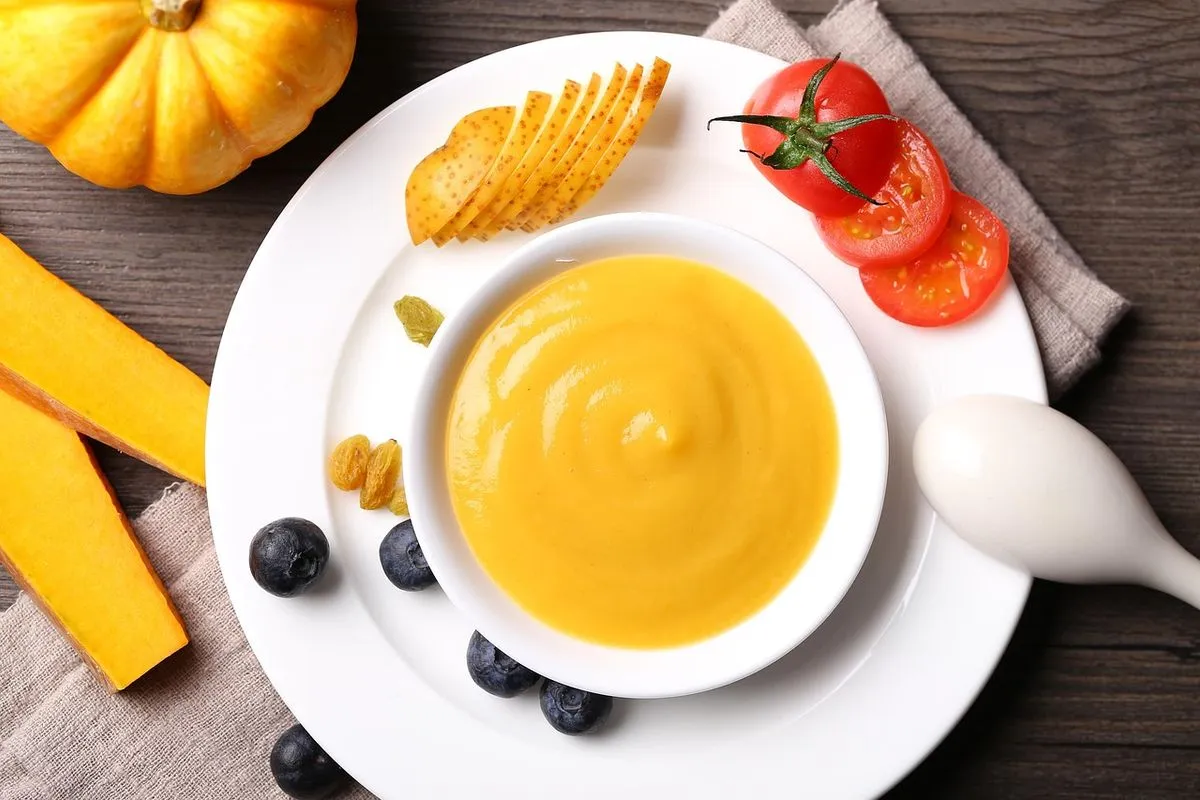
What do You Say? We Say It’s Time to Make Tomato Baby Food
Tomatoes are a great source of both vitamin A and vitamin C, making them a great resource for anyone looking to keep a diet balanced and healthy. Unfortunately, they also happen to be quite acidic, which can make using them in baby food a challenge. To avoid an upset stomach from the acidity, it’s best to wait to start using tomatoes in recipes until a baby is 10 to 12 months of age. At that point, the stomach is developed enough to cope with more acidic foods. There are no food allergy issues that make tomatoes a danger to young children, though.
When you do start to serve tomatoes to your baby, keep in mind that cooked tomatoes are more likely to digest easily than raw ones. The cooking process decreases the acidity of the tomatoes under most circumstances. If you do serve tomatoes to a child who can’t tolerate the acids, there’s a chance that sores could develop around the mouth or bottom. If that happens, stop and wait a month or two before attempting to reintroduce them.
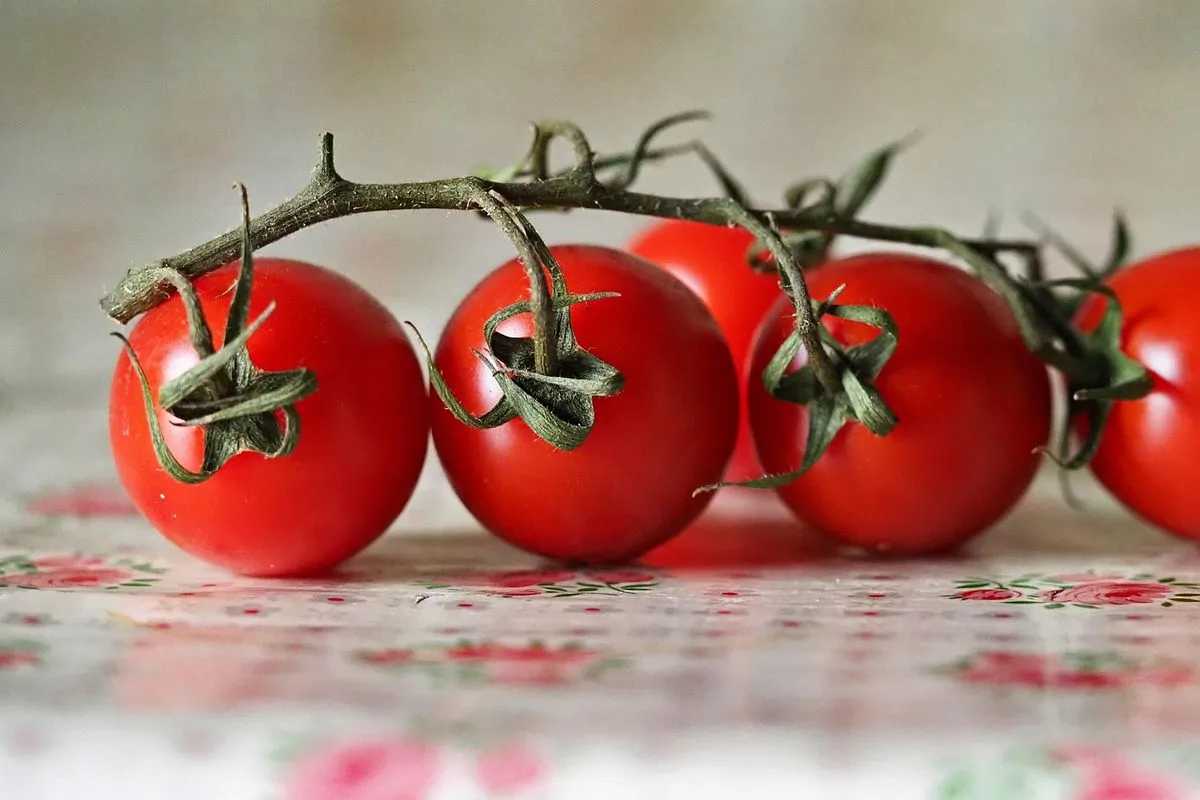
Nutritional Facts About Tomatoes
In addition to a healthy complement of vitamin A and vitamin C, tomatoes also have the following nutrients and minerals:
- Folate
- Niacin
- Potassium
- Niacin
- Phosphorous
- Magnesium
- Calcium
- Sodium
- Iron
These are all key nutrients that are especially important for growing bodies, making the use of tomatoes a great idea wherever they fit into your food constellation.
Tips for Finding Fresh Tomatoes at the Grocery Store
If you are going to cook with fresh produce, you want to work with the best produce available, right? Well, if that’s the case, then you need to get used to selecting the right produce when you go into the store. Research the varieties you are going to use to learn what they are used for, and find a balanced variety like a Beefeater or Roma tomato to control the acid level.
When picking out the individual tomatoes, you want to make sure you choose fruit that has reached a full, vibrant color. Buying them slightly orange will give you a longer shelf life, but you will need to wait for them to ripen up before they will be ready for use. Color is not the only feature you need to evaluate, either. Pick up each tomato and feel the skin and the flesh immediately under it. You want to avoid anything that is bruised or damaged. You also want to make sure the skin feels smooth and tender, with no waxiness.
The best varieties tend to come from local farmers’ markets, but some big box stores have gone a long way toward cultivating a diverse tomato selection, too. Check out your local options, and remember that you can always opt to save a little money by working with canned tomatoes in a pinch.
Storing Tomatoes for Freshness
There are people who swear by the practice of keeping tomatoes at room temperature. While they certainly last a long time when they are left out on the counter, excessive heat can make them ripen and rot quickly. If you are in a place with sweltering summers, you will want to make sure you refrigerate them to get the extra life. If you buy tomatoes that are slightly under-ripe, though, this can complicate your process, because you will want to leave them on the counter to ripen for a few days before putting them into the fridge for longer term storage.
Tomato Recipes for Your Baby
As you start to introduce tomatoes, it is best to work with a puree, like you do when introducing most other foods to your baby. For a quick tomato baby food puree, use this recipe:
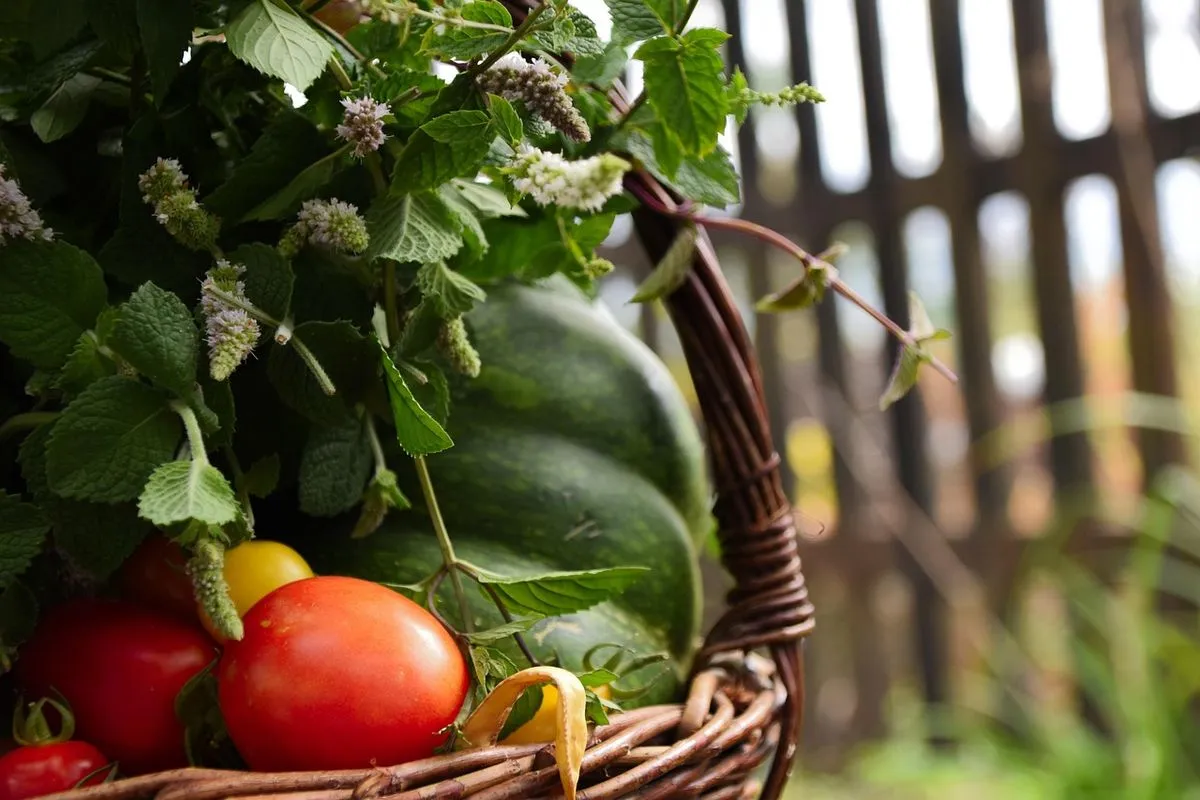
- 4 or 5 large vine-ripened tomatoes
- 3 cups of water
- Italian herbs to taste (garlic, rosemary, salt, pepper, onions, etc.)
Simply dice the tomatoes and other ingredients together, then combine them with the water and boil for five to ten minutes. Reduce the water content by simmering at a lower heat until the desired texture and flavor is reached.
This basic recipe introduces the flavors commonly matched with tomatoes, and it opens the door to more complex food ideas as your baby grows.
Stoplight Stir Fry
If you have a baby or toddler on solid food, you can move past the puree by making this delicious squash and tomato stir fry. Its name comes from the way it uses red, yellow, and green vegetables.
- Wash and dice one zucchini, an equivalent selection of summer squash, and four or five tomatoes
- Stir fry them in a pan with a little vegetable oil. Salt to taste
- Add in cubes of chicken, beef, or fish if desired
- Serve over rice or another grain dish
This recipe is easy to make and it lets you bring soft foods together to introduce a complete meal on one plate. That can be a big help to parents looking to make the jump to complete meals.
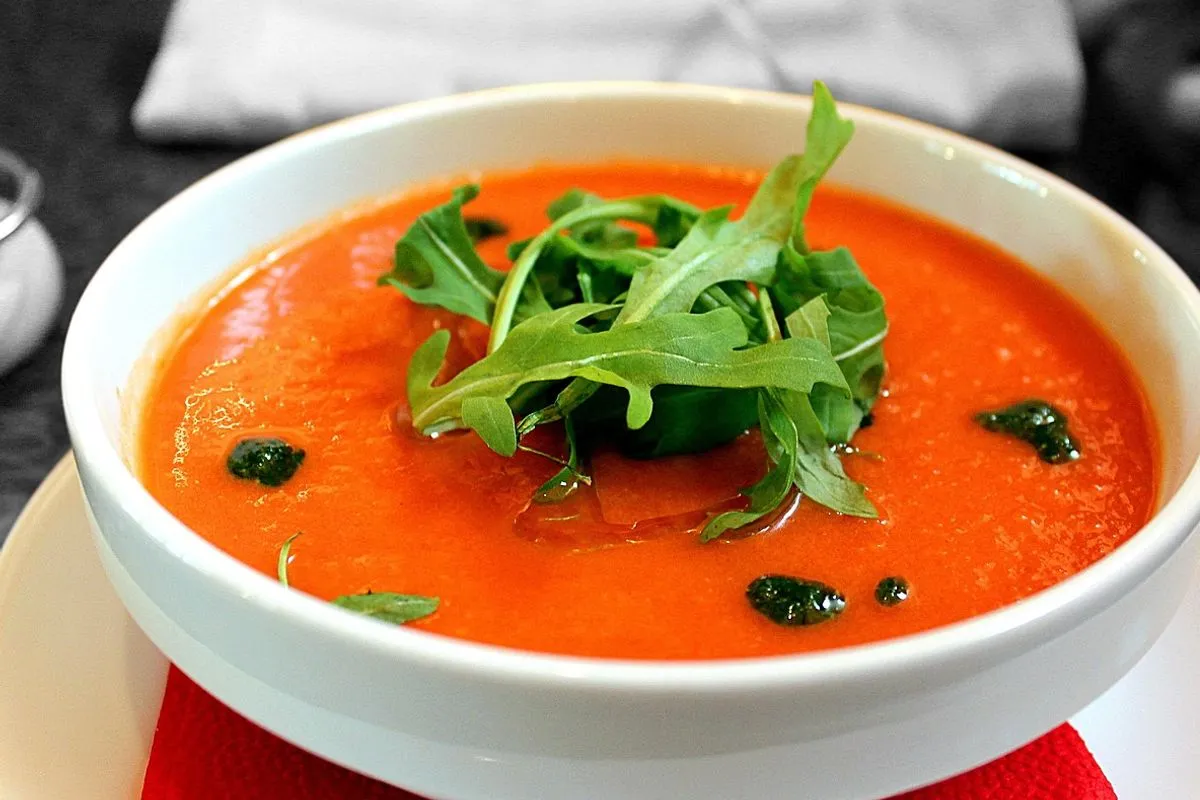
Tomato Soup
The best part about a tomato soup base is that it can easily be turned into a full meal by expanding it into full vegetable base or by adding a little grain, like rice. Follow this simple tomato soup recipe to build that base and then get to work customizing it to suit your family’s tastes.
- Slice one onion, one carrot, ½ cup of celery
- Add them to a saucepan and sauté them in butter until they are tender but not browned
- Add 4 to 5 diced tomatoes and a little bit of chicken broth, then simmer for 15 minutes
- Add the rest of the chicken broth and all the vegetables to a crockpot
- Add in any rice or other grains
- Season and slow cook until the desired consistency is reached
For a little extra protein, you can always use chicken breast in the recipe to create a full meal experience. Experiment with these and other recipes to find more creations that introduce healthy fruits and vegetables to your baby or toddler. Finally, don’t forget to follow on Facebook for more tips. We are on Twitter and on Instagram.
Related Articles
Pears are a great food for infants as they start to transition to solid foods. They are sweet and nutritious, while being soft and easy to digest...